Educational school tours offer some of the most memorable learning experiences, especially when students can engage directly with the subject matter. At Mayfield Birds of Prey & Wildlife Centre, school visits are designed to support hands-on learning while meeting curriculum goals in biology, conservation and environmental awareness. For schools looking to book meaningful and well-structured school trips in Ireland, falconry and wildlife education provide a powerful way to bring classroom topics to life.
Falconry as an Educational Experience
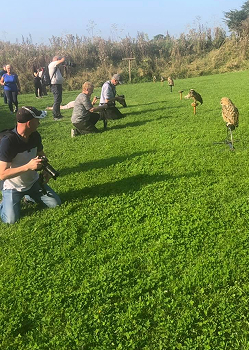
Falconry is a unique teaching tool because it combines science, history and nature in a way that captures students’ attention immediately. During school falconry workshops, students learn about birds of prey as living animals rather than abstract concepts. Seeing the size, movement and behaviour of the birds helps students better understand topics such as adaptation, food chains and ecosystems.
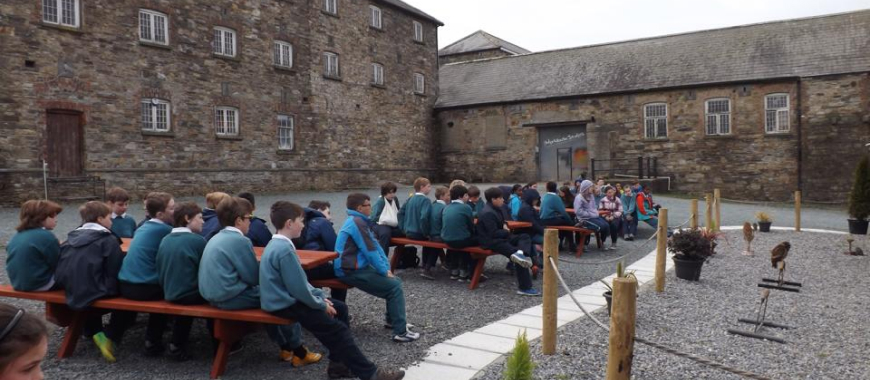
At Mayfield, educational tours are led by a qualified and licensed falconer who explains how birds of prey live, hunt and survive in the wild. Students gain insight into predator and prey relationships, flight mechanics and the role birds of prey play in maintaining balance within natural habitats.
Hands on Learning Opportunities
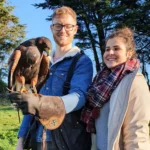
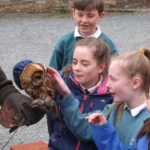
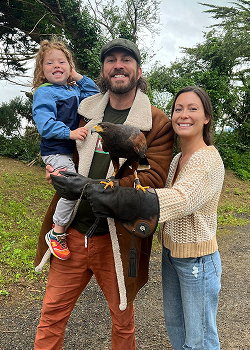
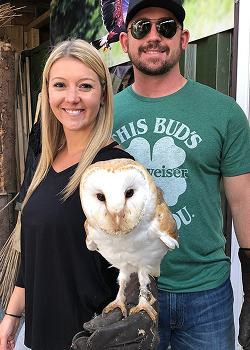
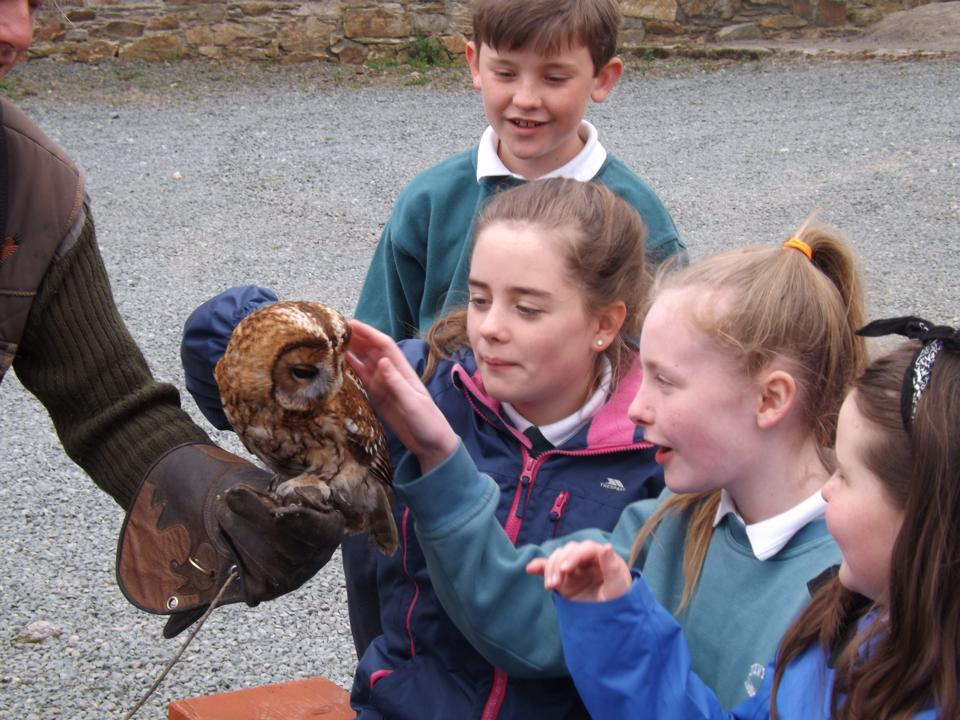
One of the most valuable parts of educational wildlife tours is the hands-on element. Where appropriate, students may have the opportunity to handle a bird under close supervision, giving them a safe and respectful way to interact with wildlife. This kind of experience builds confidence, encourages curiosity and often sparks a lasting interest in nature and conservation.
Students also learn about falconry equipment, bird care and welfare, and the responsibility involved in working with birds of prey. These discussions naturally link into broader topics such as ethics, animal welfare and conservation.
Meeting Curriculum Goals
School tours at Mayfield are designed to support learning objectives across a range of age groups. Topics commonly covered during visits include habitats and adaptations, food chains and ecosystems, conservation and biodiversity, flight and anatomy, and human impact on wildlife. Content can be adapted for primary, secondary and special education groups, making it a flexible option for schools planning educational tours in Ireland.
Teachers often find that students retain information better after a visit because the learning is visual, interactive and grounded in real-world examples.
Indoor and Outdoor Wildlife Education
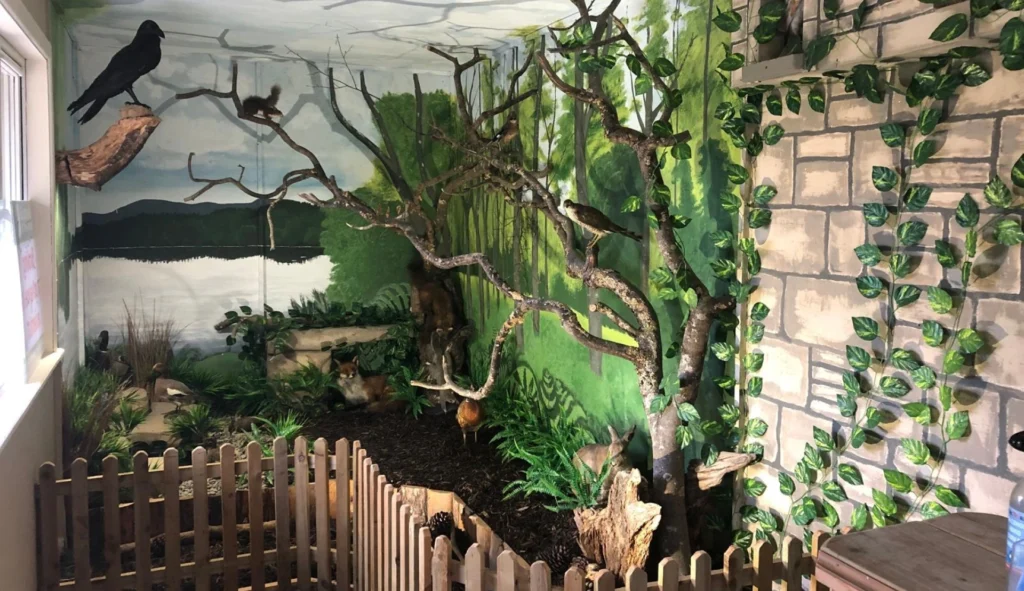
Irish weather can be unpredictable, which is why having indoor options is important for school trips. In addition to outdoor bird experiences, Mayfield offers an indoor wildlife centre where students can learn about Irish wildlife through realistic habitat displays. Show and tell bird sessions and owl experiences can also take place indoors if weather conditions are poor, ensuring school visits can run smoothly year-round.
This combination of indoor and outdoor learning makes the centre particularly suitable for educational school trips in Ireland, even during winter months or wet days.
Practical Benefits for Schools
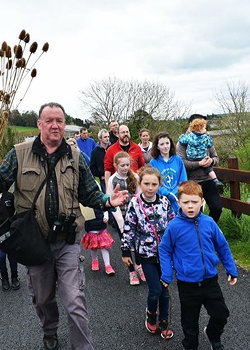
School tours are organised by enquiry rather than online booking, allowing each visit to be tailored to the group’s size, age range and available time. The centre offers on-site bus parking, safe surroundings away from busy roads, and space for students to eat packed lunches. Many schools combine their visit with other nearby activities, creating a full educational day out.
Why Schools Choose Falconry and Wildlife Education Tours
Educational tours that involve live animals often leave a stronger impression than traditional classroom lessons. Students are more engaged, ask more questions and gain a deeper appreciation for wildlife and conservation. For teachers planning school trips in Ireland, falconry workshops and wildlife education tours offer a balance of learning, engagement and enjoyment that benefits students long after the visit.
Hands on learning with birds of prey provides a rare opportunity for students to connect with nature in a meaningful way, supporting both educational outcomes and a lifelong respect for wildlife.